
What does it look like when a student stops worrying about getting it wrong and starts believing they can get it right?
For Robyne Mackenzie, Learning Support Teacher and Guidance Counsellor at Niji Mahkwa School in Winnipeg, Manitoba, it looks like a moment of pure recognition.
“It’s the ‘aha moment.’ I live for when students go, ‘Oh!’ Because you can literally see the point their brain clicks, and you see them move to the next level of their learning.”
Robyne has spent four years across multiple Canadian elementary schools, and our learning programs keep turning up in her classrooms: Reading Eggs (a comprehensive literacy suite from phonics to fluency), Mathseeds (for early math foundations) and Mathletics (math mastery and practice).
Across all three, what stands out to her isn’t just that her students are building skills. It’s how they’re building them.

Confidence comes first
Ask Robyne what early literacy and numeracy programs really teach, and she’ll tell you it isn’t letters or numbers. It’s the willingness to try.
“Confidence in the ability to take educational risks is the ground floor of learning.”
It’s a perspective every educator recognizes. Students who don’t feel safe to try often don’t try.
Skill gaps are easier to close when students believe they can close them and Robyne pays close attention to that emotional layer of learning.
“Being a guidance counsellor, I’m really focused on how kids feel about learning. And watching them interact with Reading Eggs specifically, as well as Mathseeds and Mathletics – they gain confidence, they gain independence, and they also reconnect with the fun of learning.”

Why reading early matters for life
For Robyne, the case for early literacy runs deep.
“Learning to read at a young age is really important. It empowers kids for the rest of their lives. Whether it’s reading for pleasure, sitting with a good book and a blanket, or if it’s doing their PhD. This is a gift that will last for the rest of their lives.”
Reading Eggs is built around that long view.
Aligned with the Science of Reading, the 3-in-1 suite – Reading Eggs, Fast Phonics, Reading Eggspress, plus a digital library of 4,000+ eBooks – delivers explicit, systematic phonics instruction, comprehension, and fluency through self-paced lessons students can work through on their own. Even 20+ minutes a week is proven to measurably accelerate literacy growth.
That independence matters in classrooms that are already moving fast.
“Classrooms are really, really busy places, so having a tool like Reading Eggs gives the teacher the ability to give students independence. Being able to say, ‘This is literally a tool that will help you read’… a student is able to engage with the materials and start learning for themselves. It frees you up as an educator.”
A placement test meets each student at their level. Adaptive lesson pathways scaffold from there. Teachers get clear reporting on progress without having to spend the whole period running it.
The result is a classroom where small-group instruction and independent practice can happen at the same time, without one coming at the expense of the other.
Want to see the difference Reading Eggs can make for your students? Start your free Reading Eggs trial

Rewriting the math story
Reading early empowers students. Math early does something just as important: it defuses fear before it sets in. Robyne is direct about why that matters.
“The number of adults you ask, ‘Do you like math?’ – they often don’t. They’re scared of it. Approaching math in a fun way at a very young age sets up the relationship for the rest of their lives, where math is accessible!”
That early relationship is exactly what Mathletics (grades K–10) and Mathseeds (for early learners in K–3) are designed to build.
Mathseeds focuses on developing essential skills and an early love of math through explicit, systematic instruction and interactive lessons.
Mathletics extends that foundation with engaging activities and personalized practice, letting students take charge of their learning at their own level.
For students who’ve already become anxious about math, that early intervention matters.
“If students can access that through Mathletics and through Mathseeds, they’re more likely to be able to build their skills. It becomes a part of their lives and not just a worksheet.”

The real measure of early learning
The shift Robyne describes isn’t only academic. When students start asking to do their lesson – when they ask, “Can I do this?” with anticipation rather than reluctance – something bigger has changed.
“When kids are able to own their learning, it tends to go further than just that classroom moment. It’s quite magical.”
That’s the ambition behind all three programs: building skills that don’t just get students through Friday’s quiz but follow them into how they think about themselves as learners.
The kind of foundation that holds up well past elementary school, into the next grade, the next subject, and the years that follow.
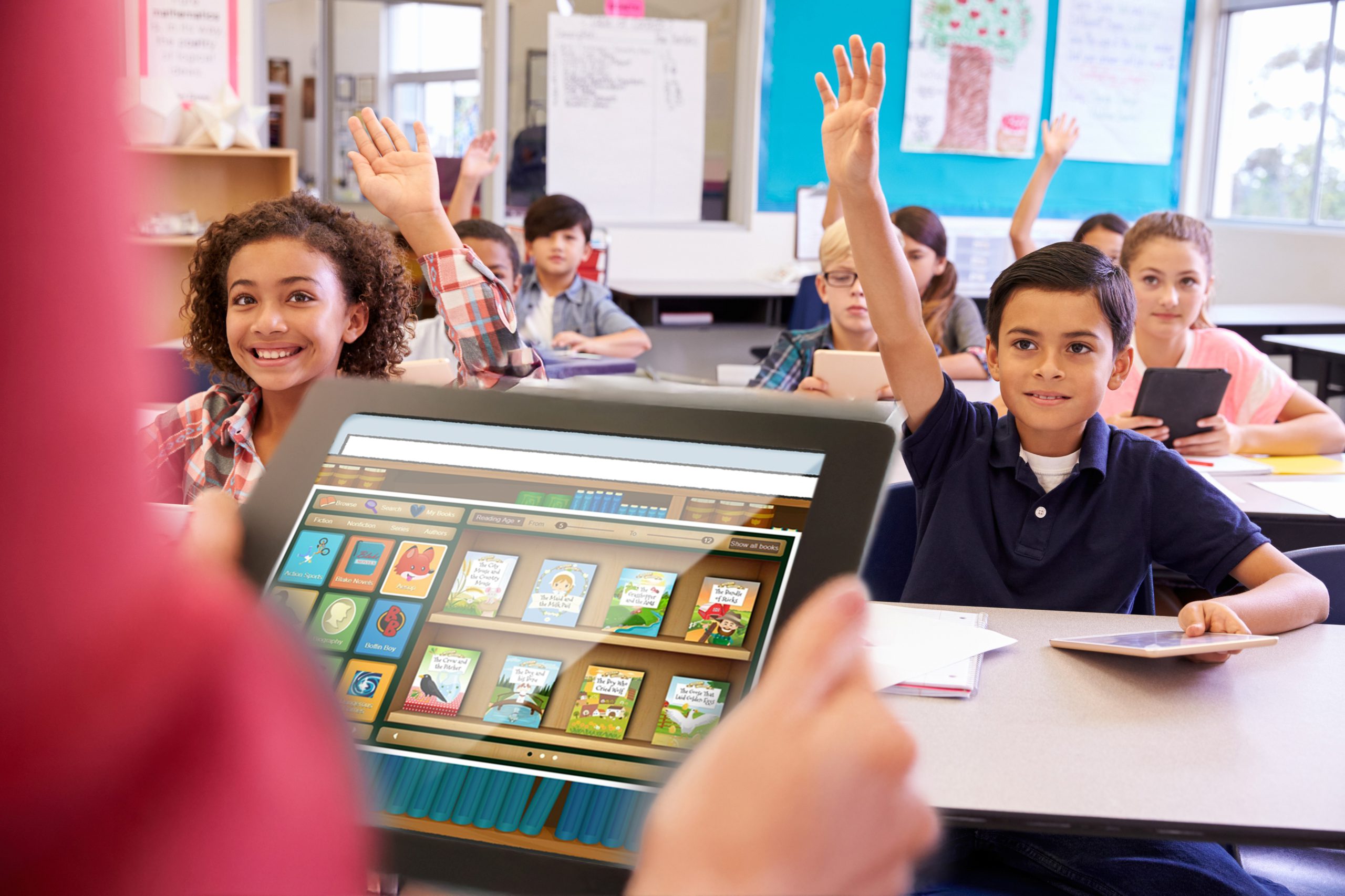
See how Reading Eggs, Mathseeds and Mathletics can support your classroom
Together, they build the literacy and numeracy foundations every student needs and the confidence and independence to keep going.